
The New Language of Landscape Painting in Contemporary Art
The New Language of Landscape Painting in Contemporary Art
More Than a View
Landscape painting has never been only about depicting nature. From the Romantic painters’ expansive landscapes to the Impressionists’ atmospheric explorations, artists have long used landscape to express ideas that extend far beyond geography. Today, however, contemporary painters are reshaping the genre in even more profound ways. Rather than asking what does a place look like?, they ask what does a place feel like?
This subtle shift has transformed landscape painting from a representation of the external world into a reflection of our inner one. Contemporary landscapes are increasingly built from memory, emotion, imagination, and personal experience, offering viewers spaces that feel psychologically familiar rather than geographically recognisable.
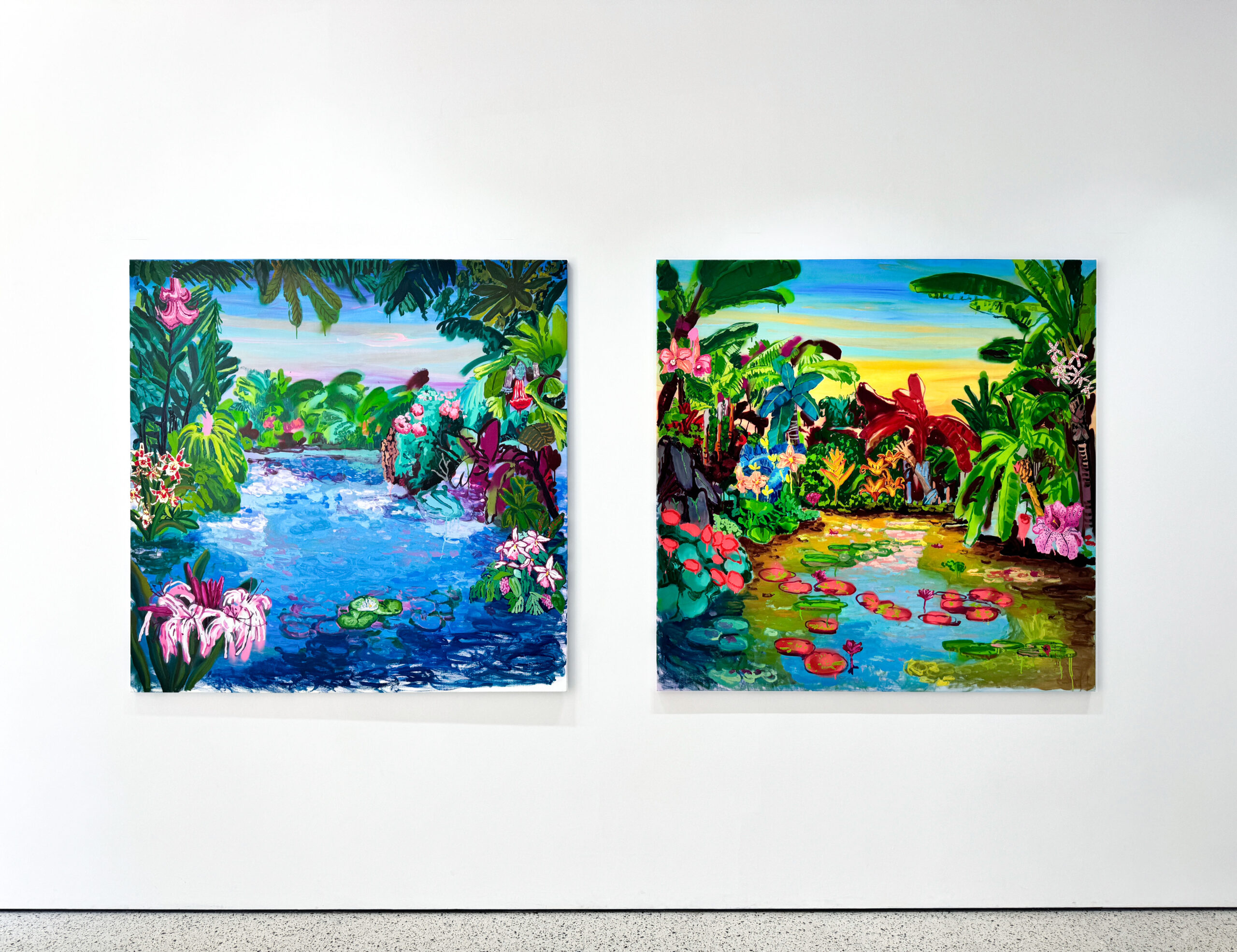
(left) Blue Lagoon, 2026 (right)Orange Delay, 2026
Beyond Representation
For centuries, landscape painting was closely associated with observation. Whether working outdoors or from carefully composed studies, artists sought to capture the changing qualities of light, atmosphere, and place. The Impressionists revolutionised this tradition by moving away from detailed realism and towards the fleeting effects of light and perception. Their concern was no longer simply to record nature, but to capture the experience of seeing it.
Contemporary artists have extended this evolution even further. Rather than reproducing specific locations, many construct landscapes from fragments of remembered places, photographs, dreams, and emotional impressions. These works exist somewhere between reality and imagination, resisting precise geography in favour of atmosphere and feeling.
Peter Doig is one of the most influential figures in this approach. Drawing upon personal memories, found photographs, and cinematic imagery, his paintings evoke landscapes that feel strangely familiar yet impossible to locate. Similarly, Hurvin Anderson explores questions of memory, migration, and identity through landscapes suspended between observation and recollection, while Julie Mehretu transforms maps, architecture, and topographical references into dynamic abstract compositions that speak to movement, history, and contemporary experience.
Landscape has become less about documenting a place and more about expressing how that place is remembered, imagined, or emotionally experienced.
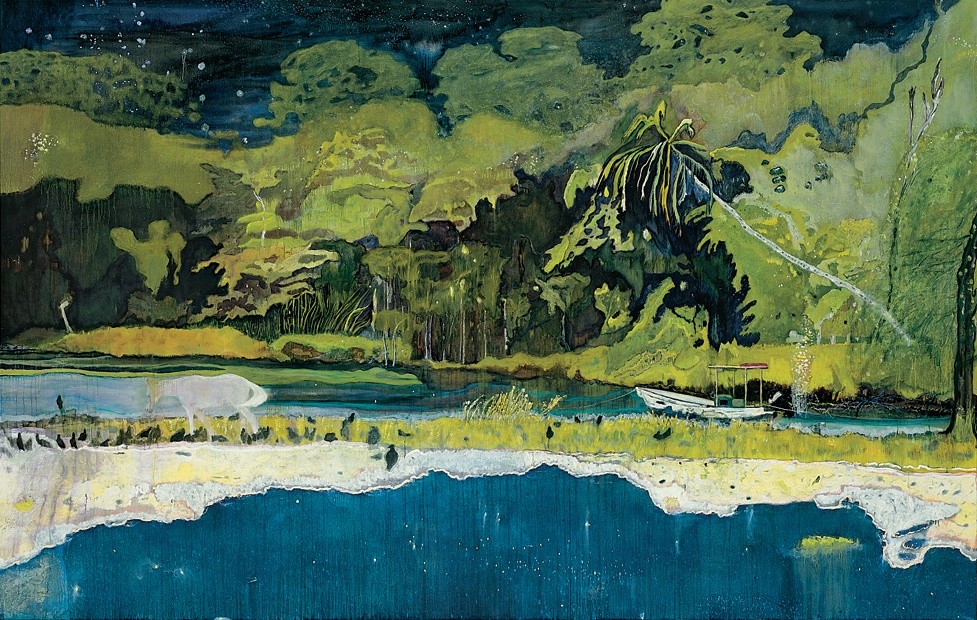
Colour as Experience
One of the defining characteristics of contemporary landscape painting is its use of colour. Rather than imitating nature, colour increasingly functions as a language of emotion. Saturated greens, luminous blues, vibrant pinks, and unexpected chromatic relationships create atmosphere long before they describe a recognisable landscape.
This understanding of colour has its roots in the later paintings of Claude Monet, whose celebrated water lilies dissolved solid forms into shifting fields of light and colour. Rather than depicting the landscape objectively, Monet invited viewers to experience it through sensation.
Many contemporary artists continue this exploration. Etel Adnan reduced mountains and horizons to luminous arrangements of colour that conveyed emotional memory more than physical reality. Peter Doig’s rich chromatic surfaces blur the boundaries between dream and observation, while David Hockney has continually reinvented the landscape through bold, expressive palettes that privilege perception over naturalism.
Colour, in these works, does not simply describe the world, it transforms it.
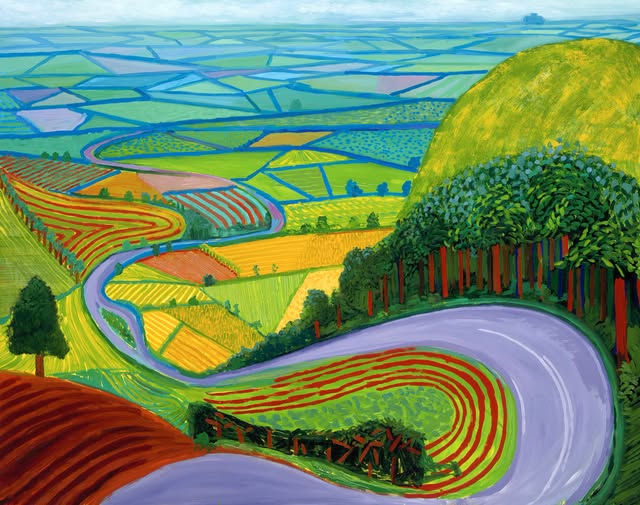
Garrowby Hill David Hockney (English, born in 1937) 1998 Oil on canvas * Juliana Cheney Edwards Collection, Seth K. Sweetser Fund, and Tompkins Collection—Arthur Gordon Tompkins Fund © David Hockney * Photograph © Museum of Fine Arts, Boston
Memory as Material
Unlike photography, memory is inherently unstable. It edits, exaggerates, forgets, and reconstructs. Increasingly, contemporary painters embrace this instability, allowing remembered places to merge with imagined ones. Few of us remember a landscape exactly as it appeared. Instead, we recall fragments: the intensity of afternoon light, the reflection of trees on water, the colour of wildflowers, or the sensation of moving through a particular place. Contemporary landscape painting transforms these sensory impressions into visual experiences that feel emotionally truthful without depicting any identifiable location. Landscape, in this sense, becomes less a destination than a state of mind.
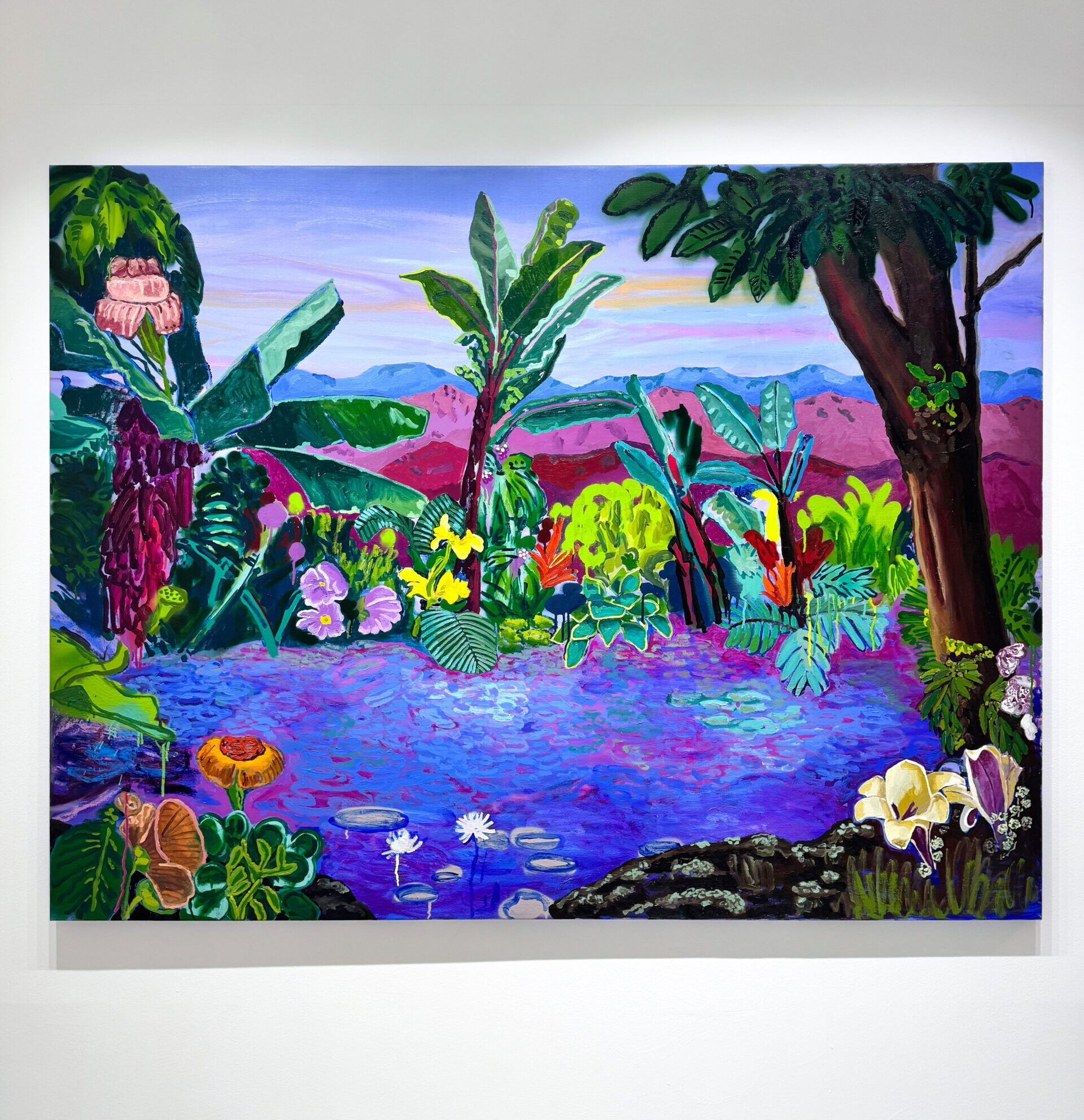
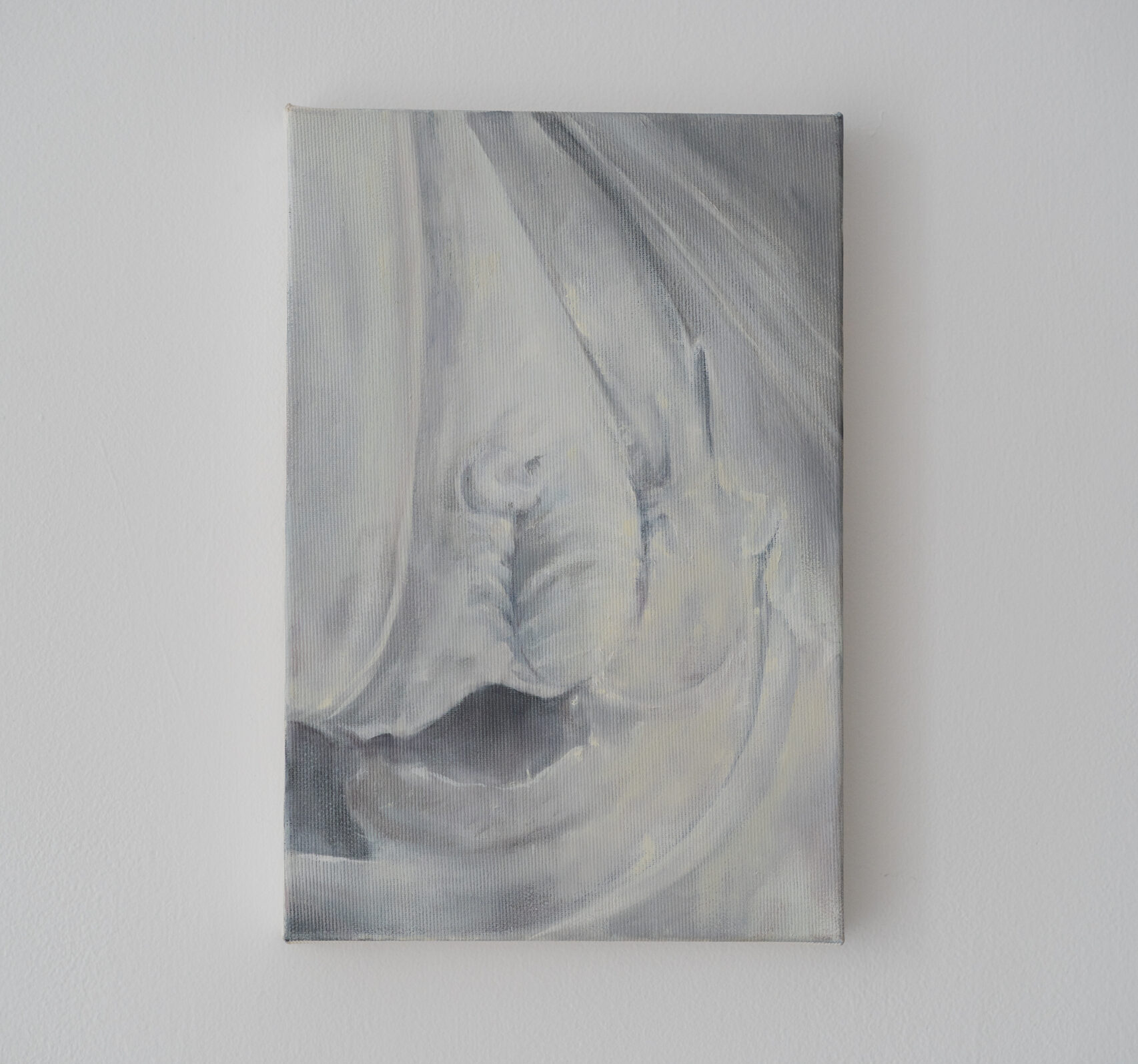
Pink Haze, 2026
Why Landscape Still Matters
In an age defined by digital images, artificial intelligence, and constant visual stimulation, it might seem surprising that landscape painting continues to occupy such a significant place within contemporary art. Yet perhaps this explains its enduring relevance. Landscape offers something increasingly rare: slowness.
It encourages sustained attention rather than endless scrolling. It invites viewers to linger with colour, texture, gesture, and atmosphere instead of consuming images as quickly as possible. Rather than offering immediate answers, contemporary landscape painting creates space for reflection, ambiguity, and imagination.
At the same time, growing environmental awareness has prompted many artists to reconsider our relationship with the natural world. Landscape is no longer viewed simply as scenery but as a site of memory, ecological reflection, and emotional connection. It remains one of the most expansive ways of exploring what it means to inhabit the world today.
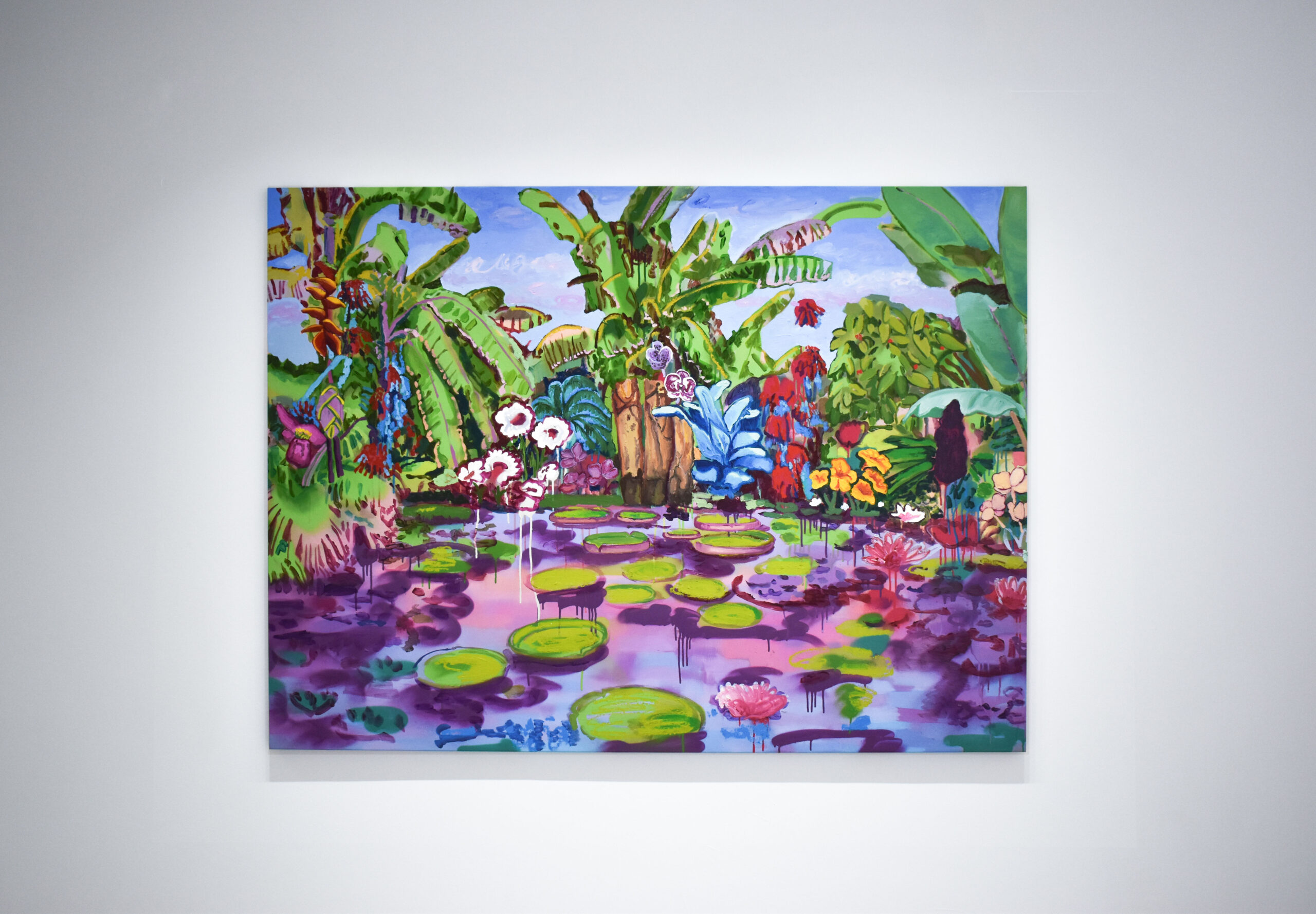
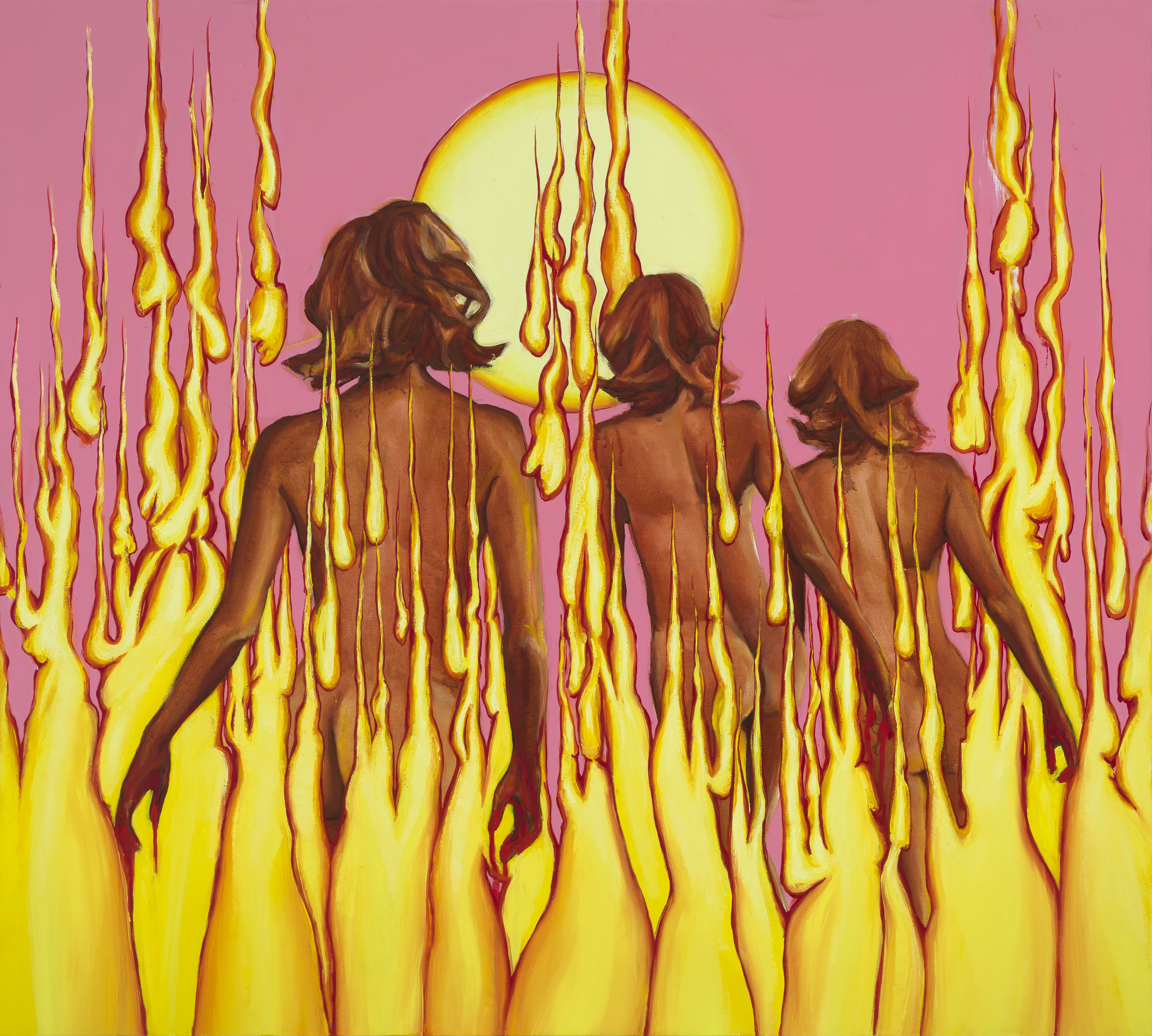
Sunset Bloom, 2026
Unfolding Landscapes
Alejandra Atarés’ exhibition Unfolding Landscapes belongs to this evolving language of contemporary landscape painting. Drawing upon memory, intuition, and observation, Atarés creates vibrant environments that move fluidly between recognisable natural forms and imagined spaces. Gardens, flowering vegetation, reflective waters, and shifting horizons emerge through expressive colour and layered surfaces, creating landscapes that feel simultaneously familiar and elusive. Rather than documenting nature, her paintings explore the ways we remember it, reconstruct it, and emotionally inhabit it.
Throughout the exhibition, colour becomes more than a descriptive tool; it becomes an emotional force, shaping the viewer’s experience of each composition. The paintings unfold gradually, inviting sustained looking and revealing landscapes that exist as much within memory and imagination as within the natural world itself.
In doing so, Unfolding Landscapes reflects a broader transformation within contemporary art. Landscape painting has not disappeared; it has evolved into a language through which artists explore perception, emotion, memory, and our enduring relationship with nature.
Unfolding Landscapes by Alejandra Atares is currently on view at The Edit Gallery.
Further Reading
Subscribe to our mailing list to receive news for upcoming shows, valuable insights and useful tips on collecting art
We will process the personal data you have supplied in accordance with our privacy policy.